Robotic Hi-Tech Solutions publishes technical analysis for manufacturers, automation engineers, production managers, system integrators and technical buyers evaluating industrial robotic systems. The focus is on the engineering decisions that determine whether a robot will perform reliably inside a real production environment.
Articles examine robotic milling accuracy, vibration, surface quality, CAM and post-processing, automation architecture, system integration and the evaluation of new and refurbished robots. They explain where robotic solutions provide a practical advantage, which limitations must be validated before investment and why suitable robot specifications do not guarantee the performance of the complete cell.
Core topics include robotic milling and automated machining, refurbished KUKA, ABB and FANUC robots, industrial automation, welding and material handling, large-format robotic 3D printing, digital fabrication, robotic art and architecture. Each subject is analysed through process requirements, application constraints, integration risk, maintainability and total installed cost.
Articles are written by Daniela Giroldo, a robotics specialist with more than 21 years of hands-on experience evaluating and deploying robotic cells for European manufacturers. Her analysis also covers applications where a robotic system may not be the correct technical choice.
Robotic Hi-Tech Solutions publishes application-led analysis of industrial robots, automated machining systems and robotic fabrication technologies. The editorial focus is not limited to robot specifications or manufacturer announcements. Articles examine how complete systems behave in practice, including the interaction between the robot, tooling, software, fixtures, sensors, safety equipment and the wider production environment.
Technical advantages are considered alongside process limitations, integration risks and operating requirements. A robot with sufficient payload and reach may still be unsuitable when the application requires greater structural stiffness, tighter accuracy, different controller capabilities or a more maintainable cell architecture. This approach helps readers distinguish between an impressive demonstration and a system capable of delivering repeatable production results.
The Milling Robots section covers robotic milling, automated machining, vibration, surface quality, CAM workflows, post-processors and the technical differences between articulated robots and CNC machine tools. The Industrial Robots category examines KUKA, ABB, FANUC and Yaskawa systems across welding, handling, loading, inspection, additive manufacturing and other production applications.
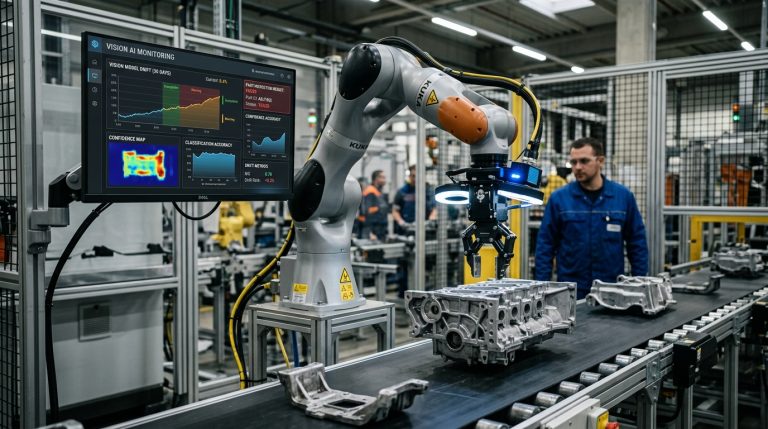
Refurbished Robots focuses on technical condition, controller compatibility, application fit and the total installed cost of reusing industrial equipment. Automation & AI covers programming, machine vision, digital twins, production data and the software architecture surrounding modern robotic cells.
The site also examines 3D Printing Robots for construction and large-format additive manufacturing, specialised Robot Applications in research, entertainment, healthcare and hospitality, and the use of industrial arms in Robot Art & Architecture, parametric design and digital fabrication.
Articles are written by Daniela Giroldo, a robotics specialist with more than 21 years of hands-on experience evaluating and deploying robotic cells for European manufacturers. This experience informs the way each subject is analysed: through process requirements, production constraints, maintenance, reliability, integration effort and return on investment.
The objective is to provide technically useful answers for manufacturers, automation engineers, production managers, integrators, architects and technical buyers. Where a robotic system is not the strongest solution, the limitations are stated directly. Where the application is viable, the articles identify the information that must be validated before equipment is selected or a cell is commissioned.
Industrial robot projects should begin with the application rather than the equipment. Workpiece dimensions, material, required accuracy, cycle time, production volume, available floor space and existing factory infrastructure determine the robot model, tooling, programming method, safety architecture and level of integration required.
Readers evaluating large-format machining can explore RHTS robotic milling systems. Companies comparing equipment options can review new and refurbished industrial robots, while construction and additive manufacturing teams can examine RHTS 3D printing robot systems. These commercial pages provide the next step when an editorial question becomes a specific integration or equipment requirement.

 English
 Italiano
 Українська
 Русский
 Español