English
 Italiano
 Українська
 Русский
 Español
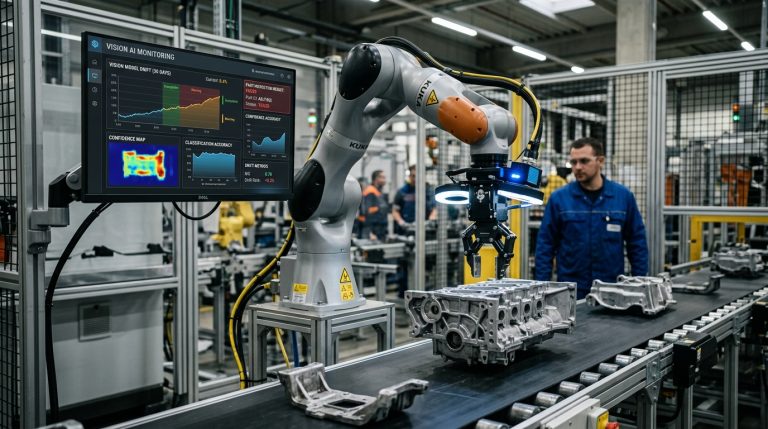
Until recently, the idea of robots designing fashion or algorithms choreographing dance routines seemed like something out of science fiction. Today, it is a reality. Artificial intelligence (AI) and robotics are making their mark on traditionally manual industries such as textiles and the performing arts, redefining the boundaries between creativity, efficiency, and technology. And this is not just about automation—we are talking about machines that collaborate, learn, and even create. A Silent Revolution in Textiles One of the most significant transformations is occurring in the textile industry. Quality control, once a labor-intensive and error-prone task, has been revolutionized by AI-powered computer vision systems. These systems continuously scan fabrics in real time, detecting flaws that human eyes might miss, ensuring a level of precision and consistency that was previously unattainable. Maintenance has also evolved. Modern textile machinery is now equipped with sensors that collect data continuously. AI algorithms analyze this data to predict when maintenance will be needed, preventing unexpected breakdowns and extending the lifespan of equipment. AI is also reshaping supply chains. By analyzing historical data, consumer trends, and external factors such as weather or global logistics, AI can forecast product demand with remarkable accuracy. This leads to less waste, reduced inventory, and greater agility in responding to market changes. In the realm of design, AI has become a creative partner. Tools like Adobe Textile Designer and services like Stitch Fix use trend data and consumer preferences to generate visual proposals or recommend personalized garments. These technologies do not replace designers but provide them with a more refined canvas aligned with market tastes. Sustainability Begins at the Factory With increasing pressure on the fashion industry to become more sustainable, AI has proven to be a key ally in reducing waste and optimizing processes. For example, the Lectra Vector system maximizes fabric usage during cutting, while Alchemie Technology’s AI-assisted dyeing process can reduce water consumption by up to 95%. Robots That Can Sew A fascinating real-world example is the Sewbo system, which uses a collaborative robotic arm (UR5 by Universal Robots) to sew garments. The trick lies in temporarily stiffening fabrics with a water-soluble polymer, allowing the robot to handle them as if they were plastic. After sewing, the garments are washed to restore their original texture. This innovation offers a glimpse into the future of automated garment production—efficient, precise, and less reliant on intensive manual labor. The Future Is Already Underway The fusion of AI, robotics, and creativity is no longer a distant promise—it is happening now in factories, studios, and theaters around the world. For many companies, this transformation represents a strategic opportunity to enhance competitiveness, quality, and sustainability. But beyond efficiency, what is truly inspiring is how these technologies are expanding the realm of the possible. Designers are working hand-in-hand with algorithms, robots are helping tell stories on stage, and machines are sewing with the precision of master artisans. Now is the time to imagine not just how to produce faster, but how to produce better—and, why not, more creatively.